Best Cookware For A Glass Top Electric Stove: Safe Picks
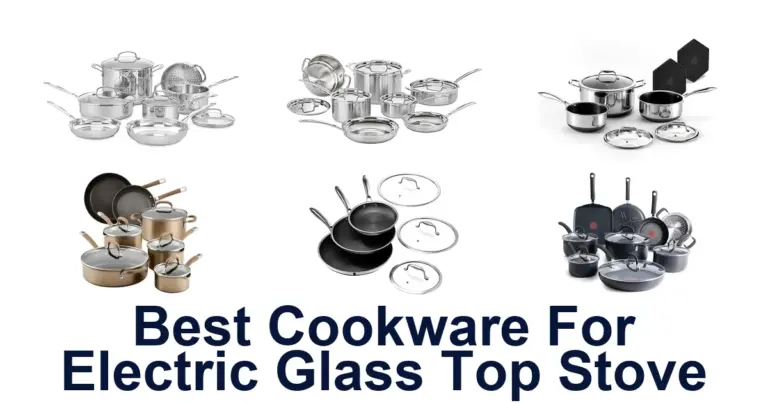
For U.S. kitchens with smooth glass-top electric ranges, pick flat, smooth-bottom pans that transfer heat evenly. Best choices are tri-ply stainless steel with an aluminum or copper core, heavy-gauge hard-anodized aluminum with a flat base, and smooth enameled cookware. Avoid rough, warped, or abrasive-bottomed pots that can scratch the cooktop.

What a "glass top electric stove" means in U.S. homes
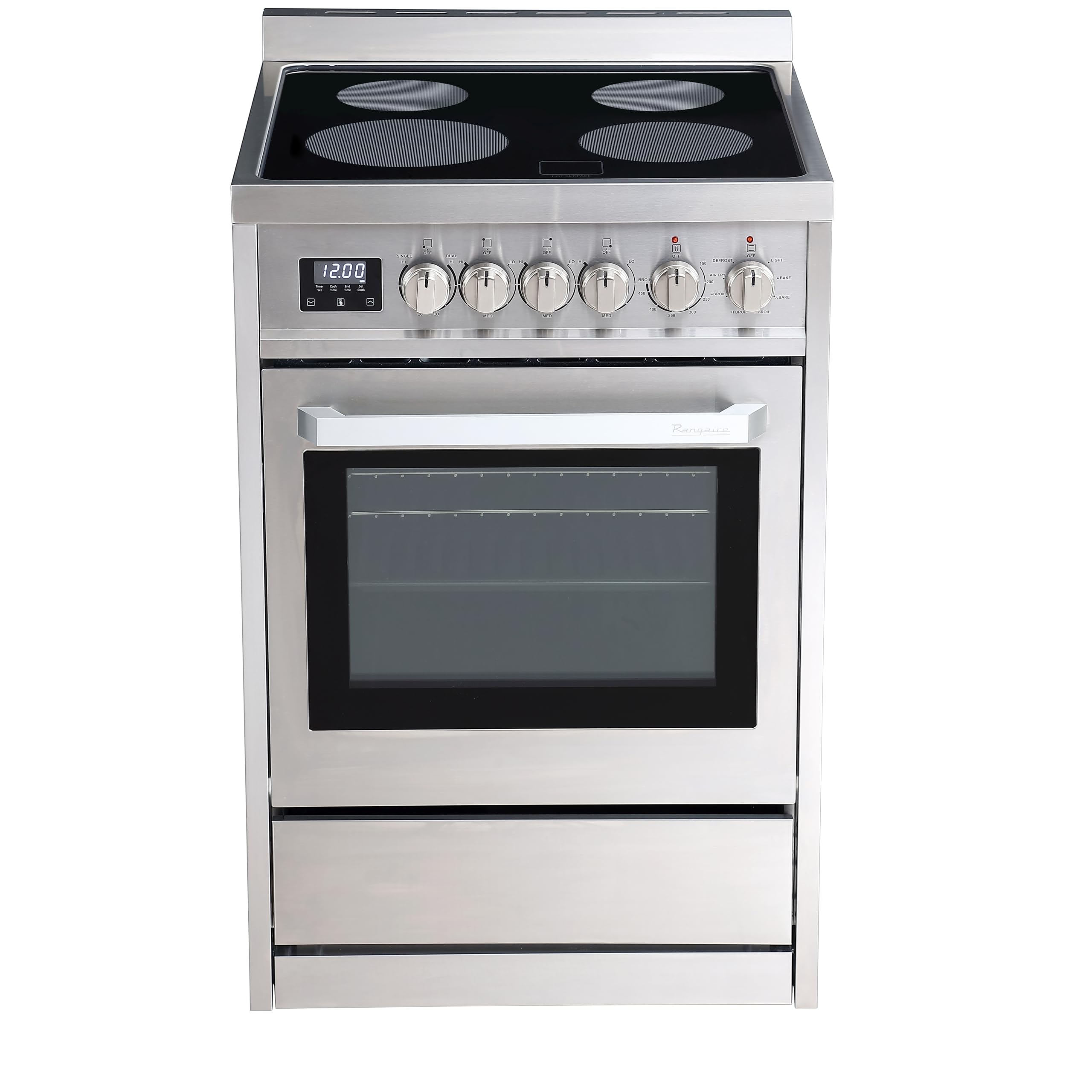
A glass-top electric stove has a smooth ceramic-glass surface over radiant heating elements. These ranges are common in U.S. homes from brands like GE, Whirlpool, and KitchenAid. They need cookware that makes full, flat contact with the surface. Poor contact wastes energy and raises the risk of hot spots and marks.
How to choose cookware: a step-by-step checklist
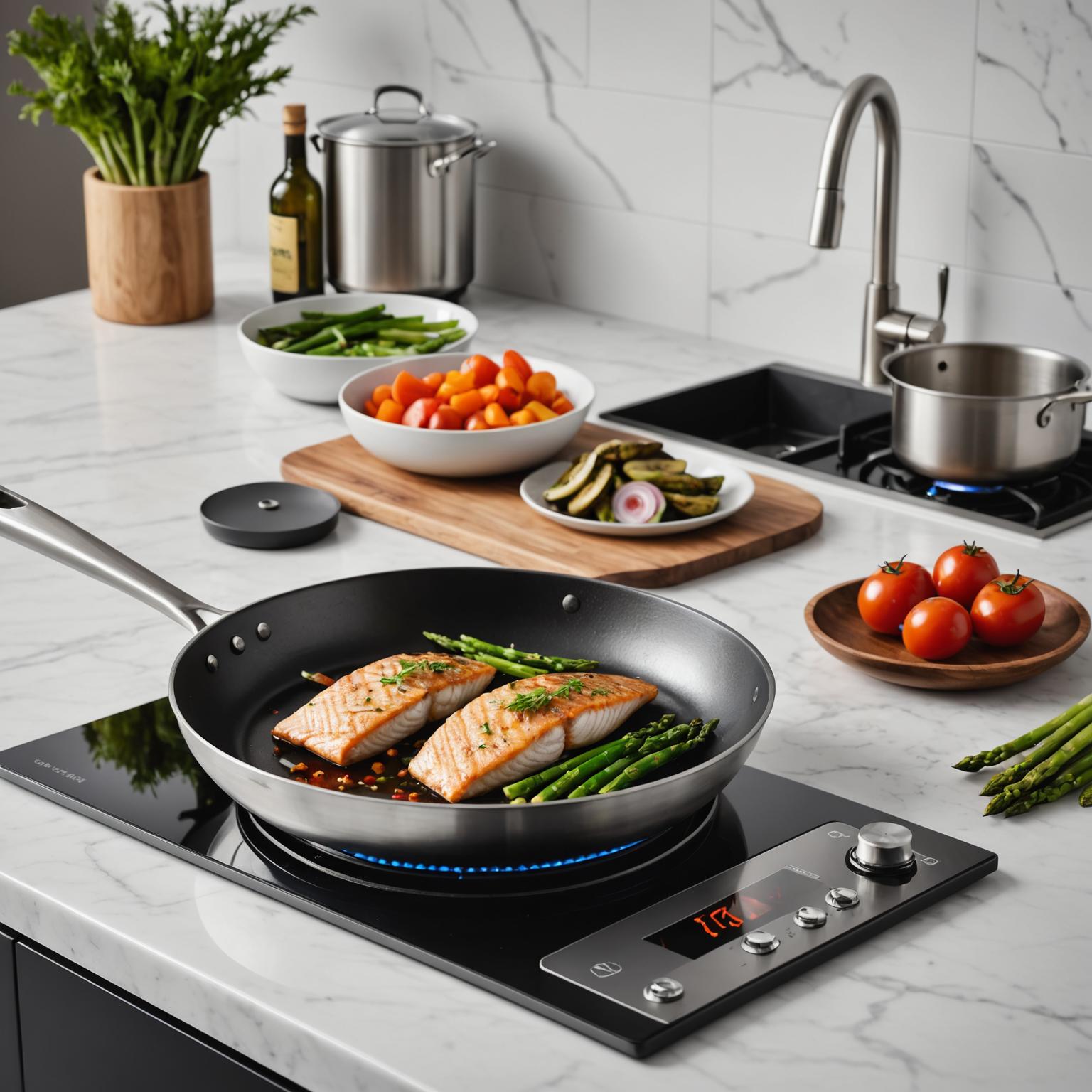
Answer: Choose flat, smooth, and conductive cookware that fits the burner.
- Match the pan diameter to the burner size. A 6–8 inch pan on a small burner works best. Using a too-small pan wastes energy.
- Confirm the base is flat. Set the pan on a flat counter and roll a straightedge across it. If it rocks or gaps, return it.
- Prefer multi-clad (tri-ply) stainless or hard-anodized aluminum. They give even heat and usually have smooth bottoms.
- If you want nonstick, pick a reputable hard-anodized or ceramic-coated pan with a flat base.
- If you like cast iron, use enameled cast iron with a smooth bottom. Avoid bare cast-iron pans that are rough or can scratch.
- Check the manufacturer label for "glass-top" or "smooth-top" compatibility when available.
Signs of success: even cooking across the pan, consistent boil times, and no visible scratches after normal use. If you get hot spots, warping, or scratches, stop and assess the pan and technique.
Cookware materials explained and when to pick each
Answer: Pick the material that matches how you cook and what you value.
-
Tri-ply stainless steel (stainless–aluminum–stainless)
- Why: Even heat, durable, nonreactive.
- Best for: Searing, simmering, high-heat cooking.
- Trade-off: Often pricier. Look for thick, flat bases.
-
Hard-anodized aluminum
- Why: Lightweight, very even heating, usually nonstick surface.
- Best for: Everyday frying and sauteing.
- Trade-off: Not magnetic (so not for induction), some cheaper makes have thinner bases.
-
Copper core (lined with stainless)
- Why: Fast, precise heat control.
- Best for: Sautéing, sauces, temperature-sensitive tasks.
- Trade-off: More expensive. Must be lined to avoid reactivity.
-
Enameled cast iron
- Why: Smooth finish, excellent heat retention.
- Best for: Slow cooking, braises, oven-to-stovetop use.
- Trade-off: Heavy. Avoid dragging to prevent scratches.
-
Bare cast iron
- Why: Great retention and searing.
- When to avoid: If bottom is rough or the pan will be dragged on the cooktop.
-
Nonstick (PTFE or ceramic-coated)
- Why: Low-fat cooking and easy cleanup.
- Best for: Eggs, pancakes, stick-prone foods.
- Trade-off: Coating lifespan varies. Use moderate heat and nylon/wood utensils.
-
Glass or stoneware pans
- Why: Oven safe, sometimes used for baking.
- When to avoid: Not suitable for stovetop use on glass cooktops—risk of uneven heating and cracking.
Size, base design, and burner matching
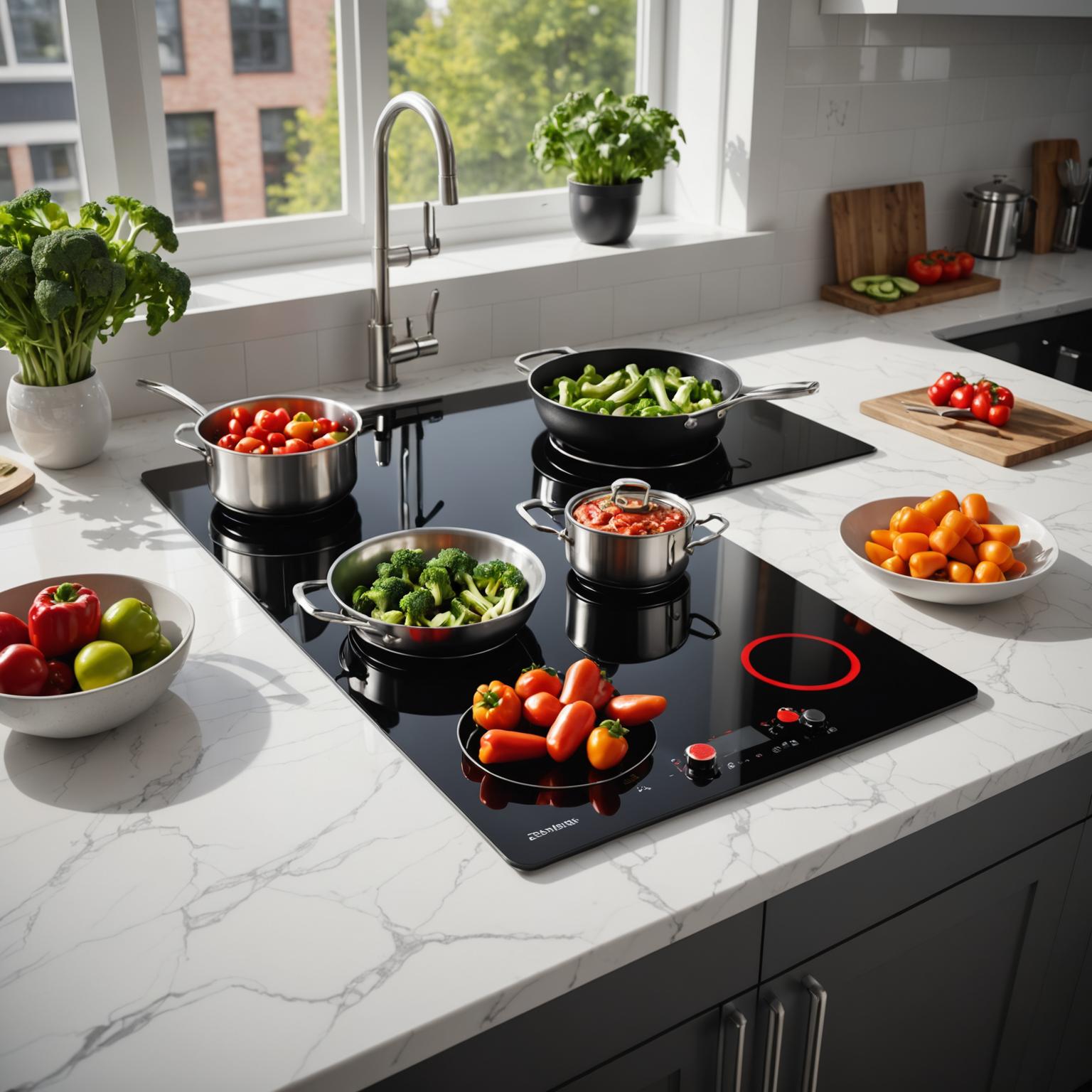
answer: Flat base, correct diameter, and even base thickness matter more than brand.
- Base flatness: Full contact reduces hot spots. Test on a flat surface.
- Base thickness: A thicker, solid base resists warping. Look for a specified mm thickness or "heavy-gauge" base.
- Base finish: Smooth, polished bottoms reduce friction and scratches. Avoid ridged or grooved bottoms.
- Burner match: Use a pan no more than 1 inch wider than the element. Oversized pans lose efficiency.
- Weight: Moderately heavy pans sit flat. Ultra-light pans can warp more easily.
Trade-off: Very heavy pans work well but increase risk of glass chips if dropped or slid.

Using and caring for cookware on glass tops
Answer: Lift pans, keep bottoms clean, and avoid thermal shock.
- Lift—don’t slide. Dragging pans causes scratches.
- Clean pan bottoms regularly. Food residue or grit abrades the cooktop.
- Avoid extreme temperature change. Don’t put a hot pan into cold water on the cooktop.
- Use cooktop cleaner or a nonabrasive pad for residues. For burnt-on messes, a razor scraper held at a low angle can remove deposits; follow the stove maker’s manual.
- If cookware has a rough or pitted bottom, recondition it or stop using it on the glass top.
- Replace or repair handles and lids that force users to tilt pans and risk spills.
Safety boundary: If your cooktop is cracked or deeply scratched, stop using strong heat under the damaged area. Contact the appliance service center for inspection.
Troubleshooting common problems: symptoms, likely causes, and fixes
Answer: Match the symptom to the most useful, safe check first.
-
Symptom: Uneven cooking or hot spots.
- Likely cause: Warped or thin-bottomed pan; wrong material.
- Check: Place a straightedge on the pan base. Try a heavier, flat pan. Use the correct burner size.
-
Symptom: Scratches on cooktop.
- Likely cause: Abrasive bottom, dragged cookware, grit under pan.
- Fix: Stop using that pan on the glass top. Clean surface with recommended polish. Small scratches often cosmetic; deep gouges may need pro repair.
-
Symptom: Discolored or cloudy cooktop surface.
- Likely cause: Burned-on spills, mineral deposits.
- Fix: Use a glass cooktop cleaner and nonabrasive pad. For stubborn marks, follow the stove maker’s instructions for a scraper and cleaner.
-
Symptom: Glass cracks under a pan.
- Likely cause: Thermal shock or heavy impact.
- Action: Turn off the stove. Do not use the damaged cooktop. Call a qualified service technician.
-
Symptom: Pans stick or food cooks unevenly after cleaning.
- Likely cause: Residue on base or cooktop.
- Fix: Clean both pan bottom and cooktop thoroughly. Re-test on a low burner.

Quick decision table: pick cookware for your kitchen needs
Answer: Use this quick guide to match your cooking style.
| If you cook… | Choose | Why it fits |
|---|---|---|
| Everyday meals, durability | Tri-ply stainless steel | Even heat; durable; nonreactive |
| Low-fat frying and easy cleanup | Hard-anodized nonstick | Lightweight; smooth base |
| Precise heat control | Copper-core, stainless-lined | Fast response; even spread |
| Braises and Dutch-oven dishes | Enameled cast iron | Holds heat; smooth base if enamelled |
| On a budget | Heavy-gauge aluminum with smooth base | Good conduction; lower cost |
Note: For induction-capable glass tops, choose magnetic-base cookware. Use a magnet to test.
Future reader questions and competitor gaps (compact gap map)
Answer: This map lists likely next questions and whether common product pages cover them well.
-
Question: "Will my old cast-iron skillet damage my glass top?"
- Stage: Before buying or after moving in.
- Basis: Observed in forums and appliance FAQs.
- Competitor coverage: SHALLOW — many pages say "avoid" but few show safe use with enameled or leveled cast iron.
- Benefit of answering: Helps owners reuse cookware safely.
- Evidence to add: Tips on flattening a warped rim, testing flatness, and when to stop using bare cast iron.
- Priority: High
- Placement: Care & safe use section.
-
Question: "How to remove permanent marks or scratches?"
- Stage: Repair/troubleshoot.
- Basis: Observed customer support threads.
- Competitor coverage: MISSING or SHALLOW — few give safe step-by-step or pros/cons of polishing vs. replacement.
- Benefit: Reduces needless replacement and risk of damage.
- Evidence to add: Stepwise safe cleaning methods and when to call a pro.
- Priority: Medium
- Placement: Troubleshooting section.
-
Question: "Which cookware brands make the flattest bases?"
- Stage: Purchase decision.
- Basis: Buyer reviews and spec comparisons.
- Competitor coverage: SHALLOW — many lists name brands but lack flatness metrics.
- Benefit: Concrete buying criteria.
- Evidence to add: Flatness tests, base thickness specs.
- Priority: Medium
- Placement: Material and decision guide.
-
Question: "Can I use glass bakeware on the stove?"
- Stage: Use-case clarity.
- Basis: Common user confusion.
- Competitor coverage: MISSING or contradictory.
- Benefit: Avoids breakage and injury.
- Evidence to add: Clear rule: do not use oven bakeware on a stovetop glass surface.
- Priority: High
- Placement: Care & safety section.
-
Question: "Is induction cookware always safe on a glass electric top?"
- Stage: Compatibility.
- Basis: Product labeling confusion.
- Competitor coverage: SHALLOW — few explain magnet test and base smoothness.
- Benefit: Helps buyers reuse induction pans.
- Evidence to add: Magnet test, base finish check.
- Priority: Medium
- Placement: Size/base design and decision guide.
Note: These gaps were inferred from common user problems and appliance FAQs. They point to useful follow-up content rather than definitive research tests.
FAQs
Q: Is cast iron safe on a glass stove?
A: Enameled cast iron with a smooth base is safer. Bare cast iron can scratch if the bottom is rough or if it is dragged. Lift, don’t slide, and test flatness before regular use.
Q: Will a warped pan damage the cooktop?
A: Warped pans cause uneven contact and hot spots. Over time they can increase cooking problems and pressure points. Replace warped pans for best results.
Q: Can I use glass bakeware on a glass-top stove?
A: No. Oven-only glass and stoneware can crack from direct cooktop heat. Use stovetop-rated metal cookware.
Q: How do I test if a pan is flat enough?
A: Put the pan on a flat table or countertop. Place a straightedge across the bottom. If light shows under the edge or it rocks, it is not flat enough.
Q: What if my cooktop gets scratched?
A: Minor surface scratches may be cosmetic. Clean the area, stop using abrasive pans, and follow the manufacturer’s repair guidance. For deep cracks or structural damage, call an appliance service technician.
Key takeaways and next action (U.S. kitchen focus)
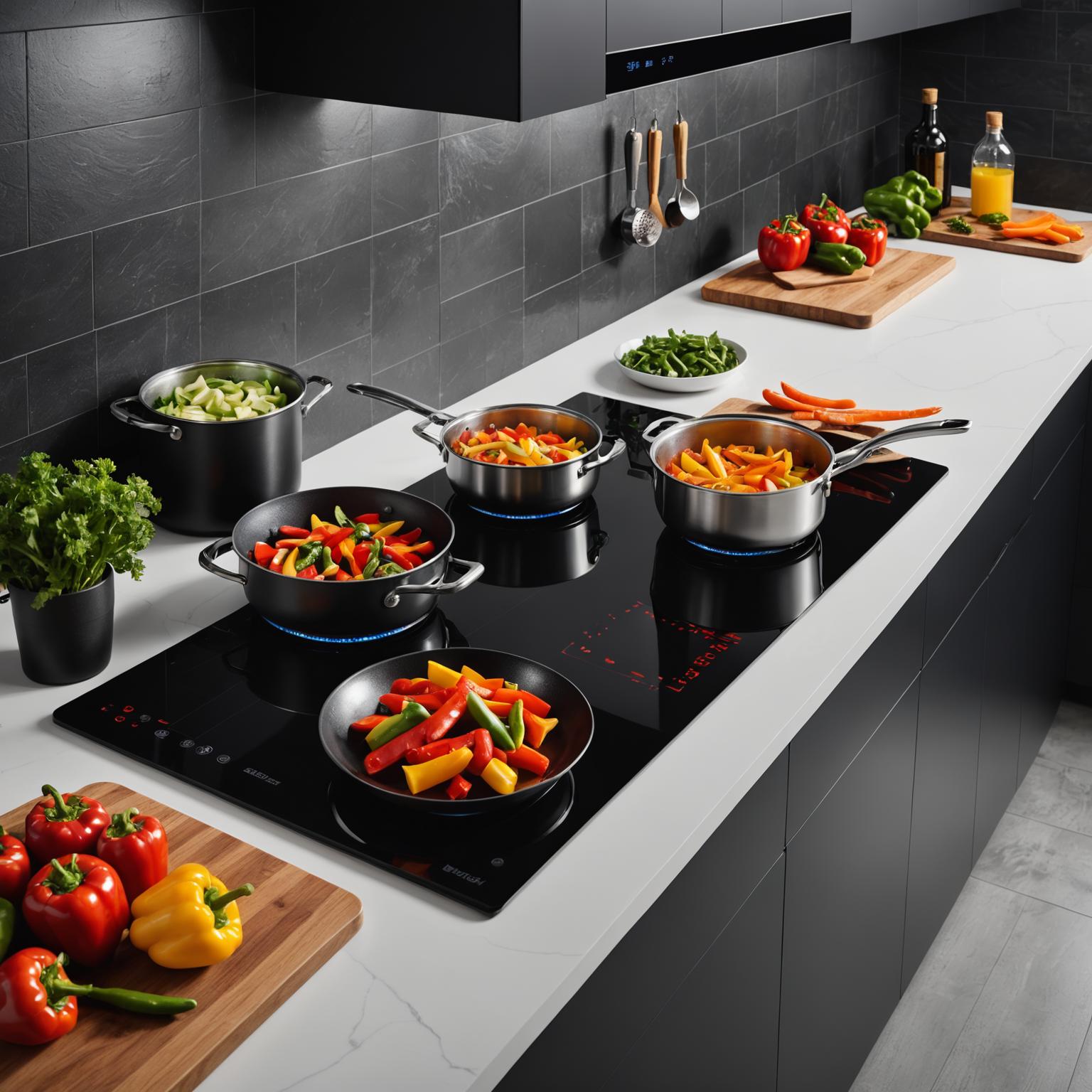
Pick pans that are flat, smooth, and match the burner. For most U.S. home cooks, tri-ply stainless and quality hard-anodized pans balance durability and even heating. Test new pans for flatness before use. Lift pans; clean bottoms; avoid abrasive contact.
Next action: Inspect your current pans. Use a straightedge and magnet. Replace warped or rough-bottom pots you use on the glass top. If your stove has visible cracks, power it down and schedule professional service.
Research note: This guide draws on appliance-manufacturer guidance, cookware best practices, and consensus information current to 2024. I did not run live web searches while writing. For brand-specific flatness tests or cooktop repair instructions, consult your stove manual or the appliance maker’s support site.