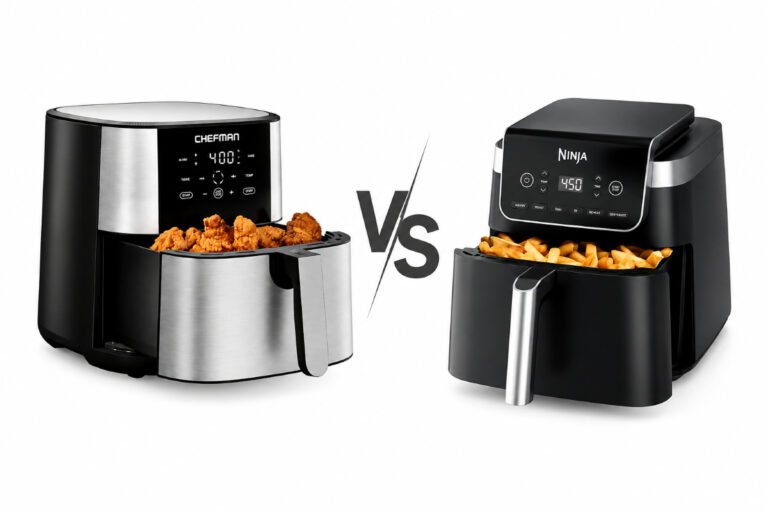
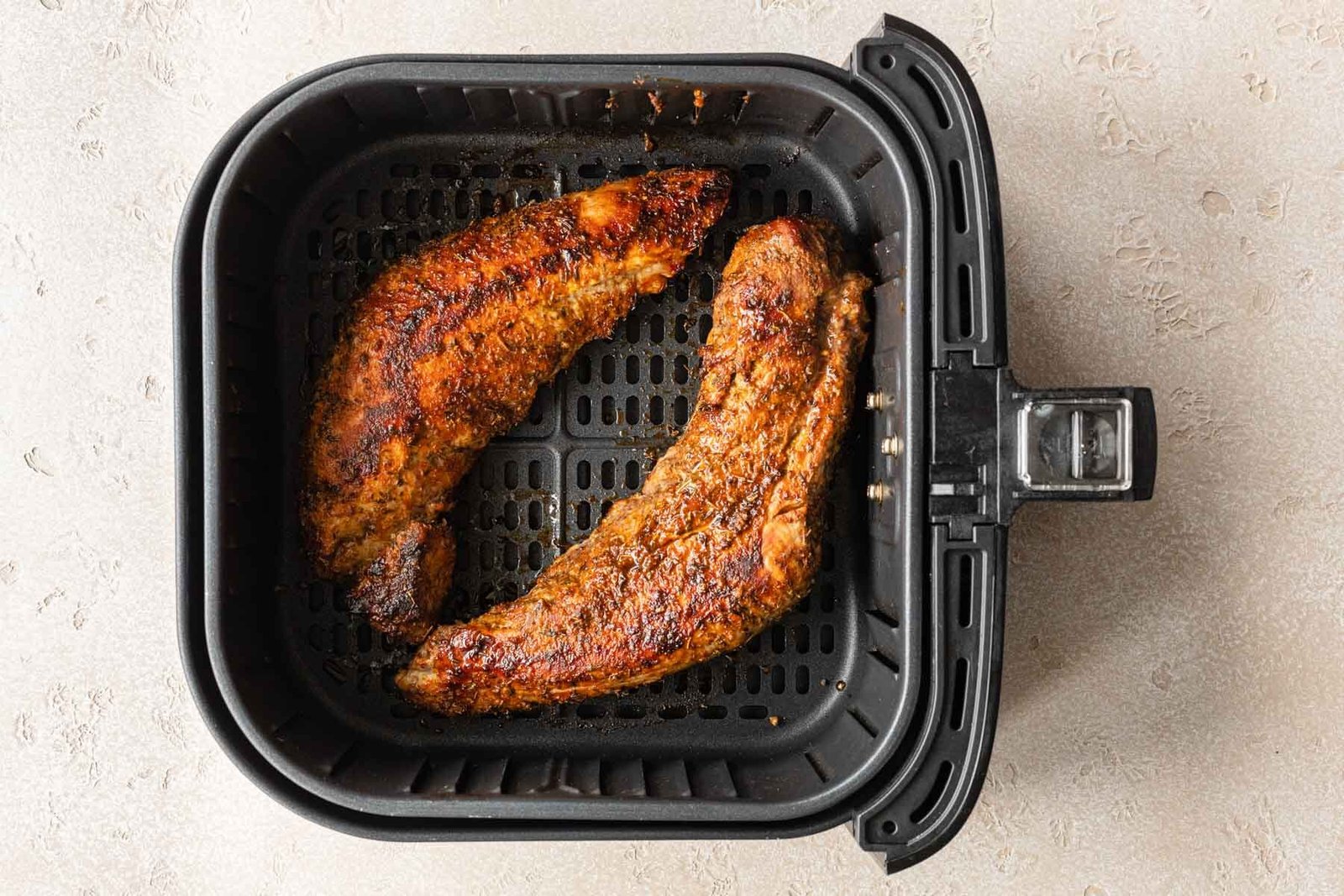
How To Cook A Pork Loin In The Air Fryer: Easy Juicy Method
Yes — you can reliably cook a tender, safe pork loin in a home air fryer. For a boneless pork loin, preheat the air fryer to 375°F, season or brine the roast, and cook until the internal temperature reaches 145°F followed by a 3-minute rest. Typical cook time is roughly 18–25 minutes per pound depending on roast size, shape, and your air fryer model. Use an instant‑read meat thermometer to confirm doneness; time estimates are guides, not safety checks.
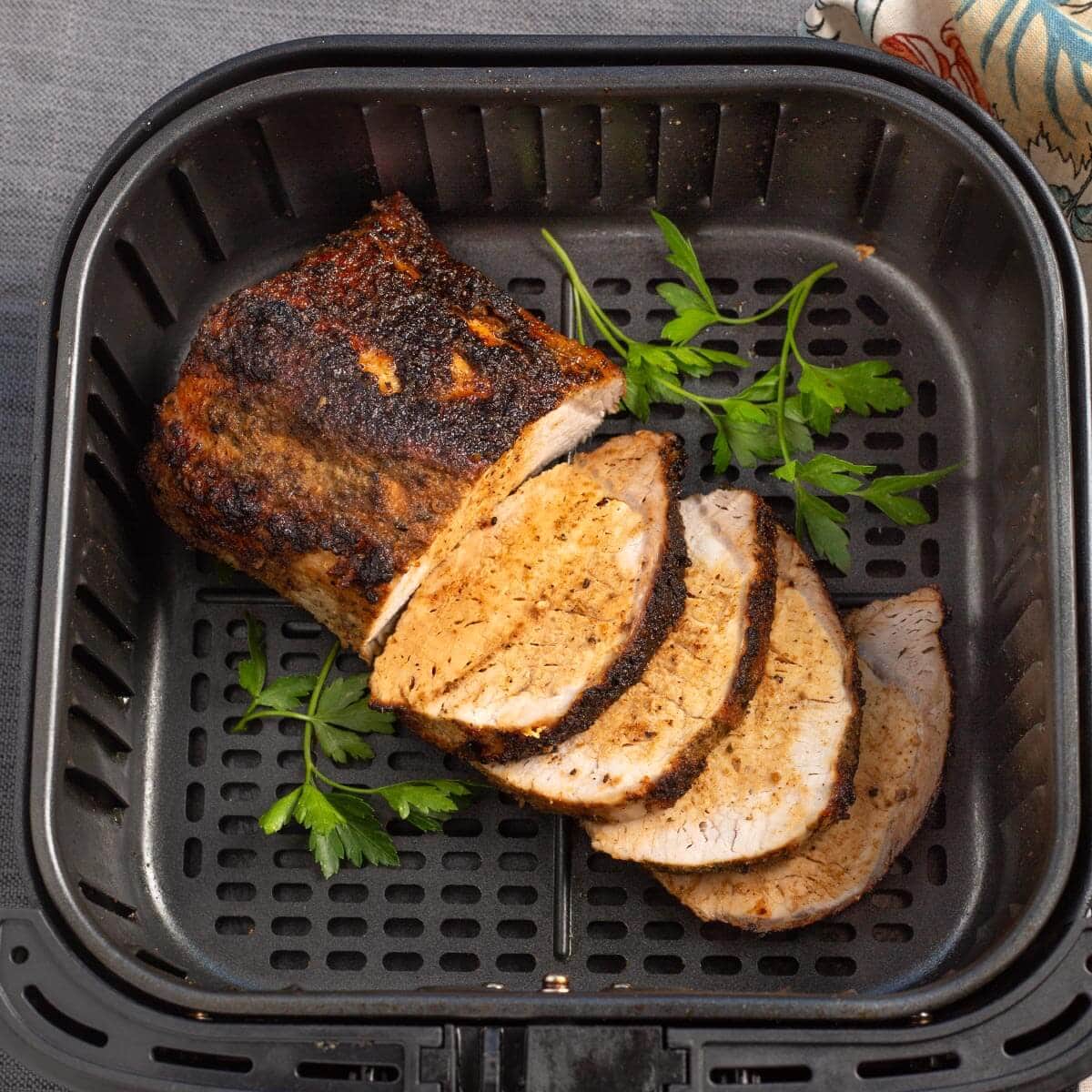
Why this method works in the U.S. kitchen (short, USA-focused context)
Air fryers in U.S. kitchens use fast, dry convection to brown and cook meat more quickly than a conventional oven. U.S. food-safety guidance from the USDA sets the safe endpoint for whole cuts of pork at 145°F with a 3-minute rest — that USDA standard applies whether you use an oven, grill, or air fryer. Because air fryers vary by wattage, basket size, and airflow, the thermometer matters more than clock time for American home cooks who want both safety and a juicy result.
Source: Bing
Key definitions and context you need
- Pork loin: a lean, boneless roast from the back of the hog (not the fattier pork shoulder). It’s best cooked to medium (145°F) then rested.
- Boneless vs. bone-in: bone-in loins cook a bit slower; bone can insulate and change timing.
- Air fryer: a countertop convection cooker that circulates hot air; models differ in temperature accuracy and air circulation patterns.
- Internal temperature: measured at the thickest part of the roast with an instant‑read probe thermometer — the only reliable doneness check.
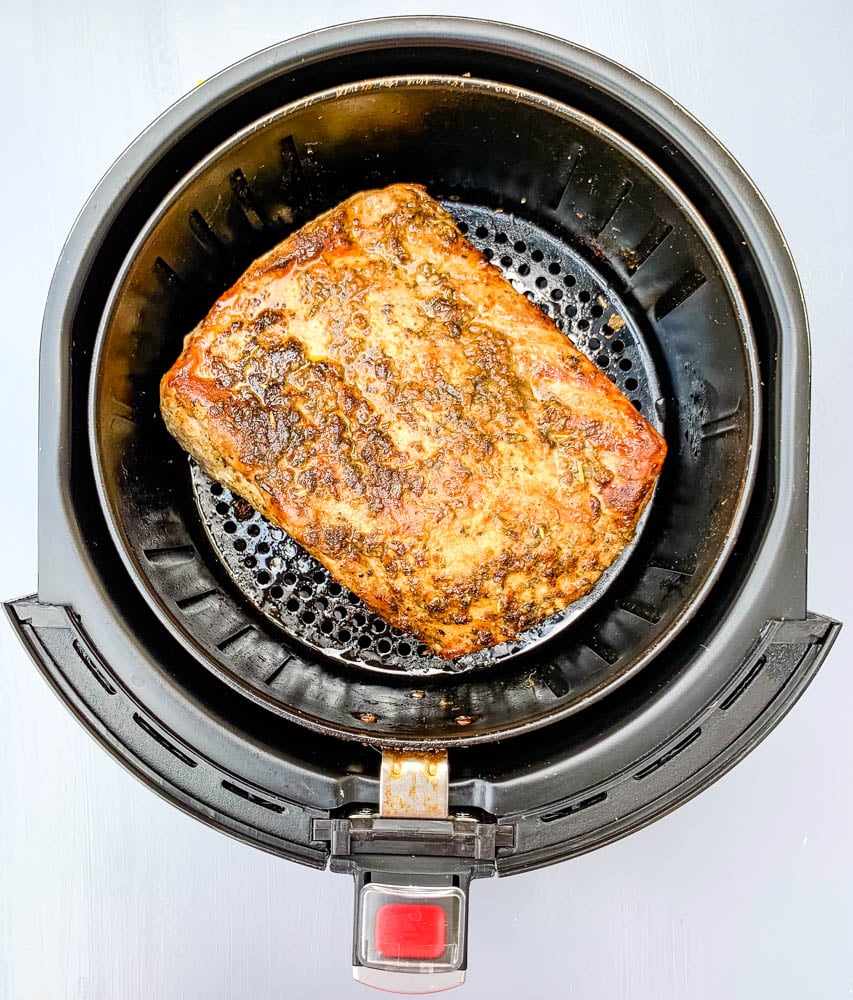
Source: Bing
What you need (prerequisites: tools, ingredients, optional prep)
Tools
- Countertop air fryer with a basket or tray (capacity large enough for the roast).
- Instant‑read digital meat thermometer or probe thermometer.
- Kitchen twine (optional, to tie an uneven roast).
- Small bowl or zip-top bag for brine or marinade (optional).
Basic ingredients (for a 2–3 lb boneless pork loin)
- 2–3 lb boneless pork loin, trimmed of large silver skin if present.
- 1–2 tsp kosher salt (or to taste) plus fresh ground pepper.
- 1–2 tbsp neutral oil (canola, avocado, or light olive oil) or thin mustard coat to help rub adhere.
- Dry rub or fresh herbs, garlic, lemon zest, or a simple wet brine as desired.
Optional (moisture & flavor boosters)
- Wet brine: 1/4 cup kosher salt per quart (4 cups) water; refrigerate roast in brine 2–4 hours (not longer for small roasts).
- Marinade or rub: brown sugar, paprika, garlic powder, thyme, rosemary, and black pepper are common.
- Probe thermometer with an alarm can simplify monitoring.
Safety prerequisites
- Fully thaw frozen pork in refrigerator before cooking.
- Clean surface and utensils after raw pork; avoid cross-contamination.
- Always confirm internal temp (USDA 145°F + 3 min rest).
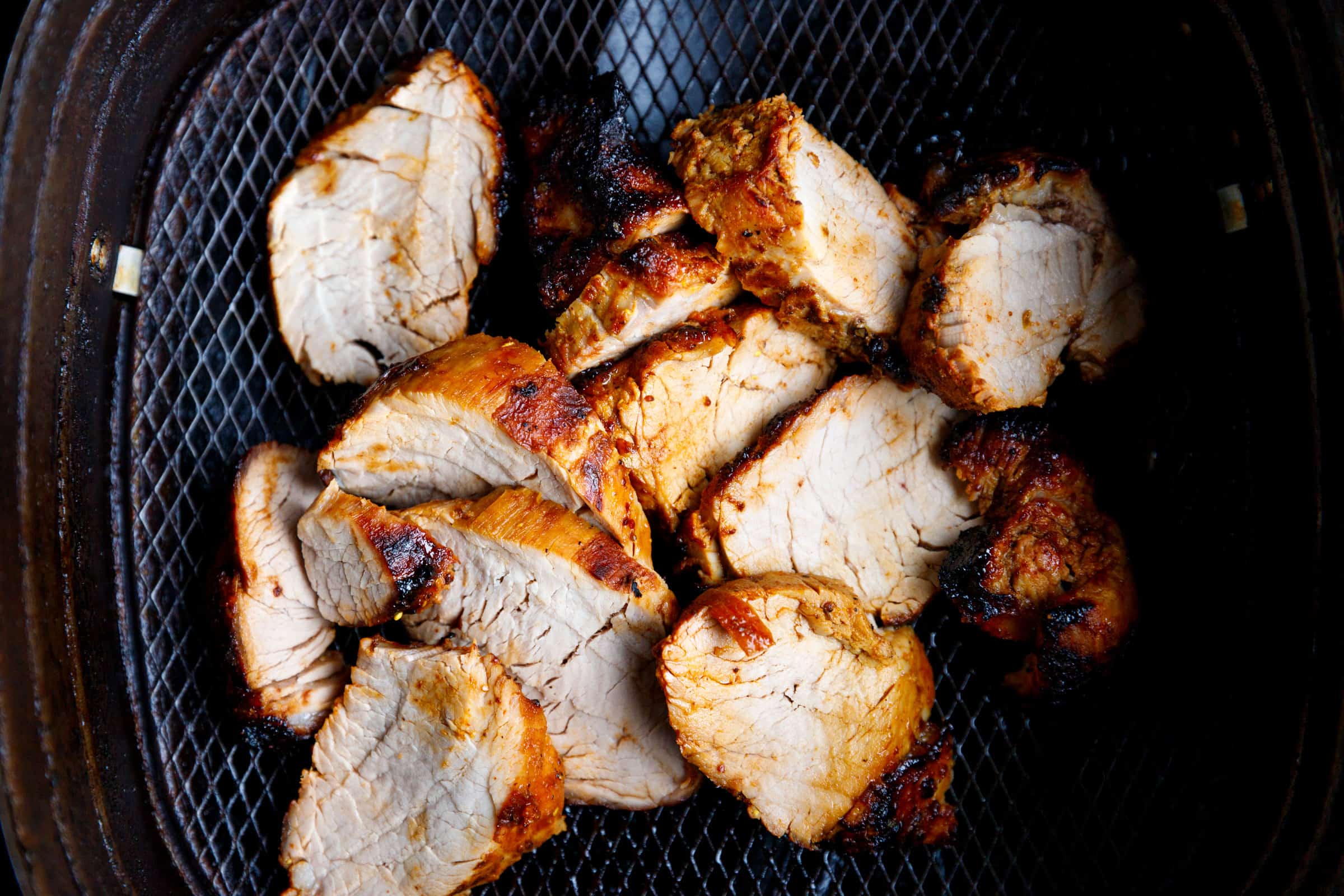
Source: Bing
Step-by-step: How to cook pork loin in the air fryer
- Prepare the roast
- Pat dry with paper towels. Trim large fat collars or silver skin if present.
- Optional: Brine 2–4 hours in the refrigerator (1/4 cup kosher salt per quart water) for juiciness. Rinse and pat dry before seasoning.
- Rub: Lightly coat with oil or mustard, then apply your rub or simple salt-and-pepper.
- Preheat the air fryer
- Preheat to 375°F (some models recommend 360–380°F). Preheat for 3–5 minutes if your model requires it.
- Position the roast
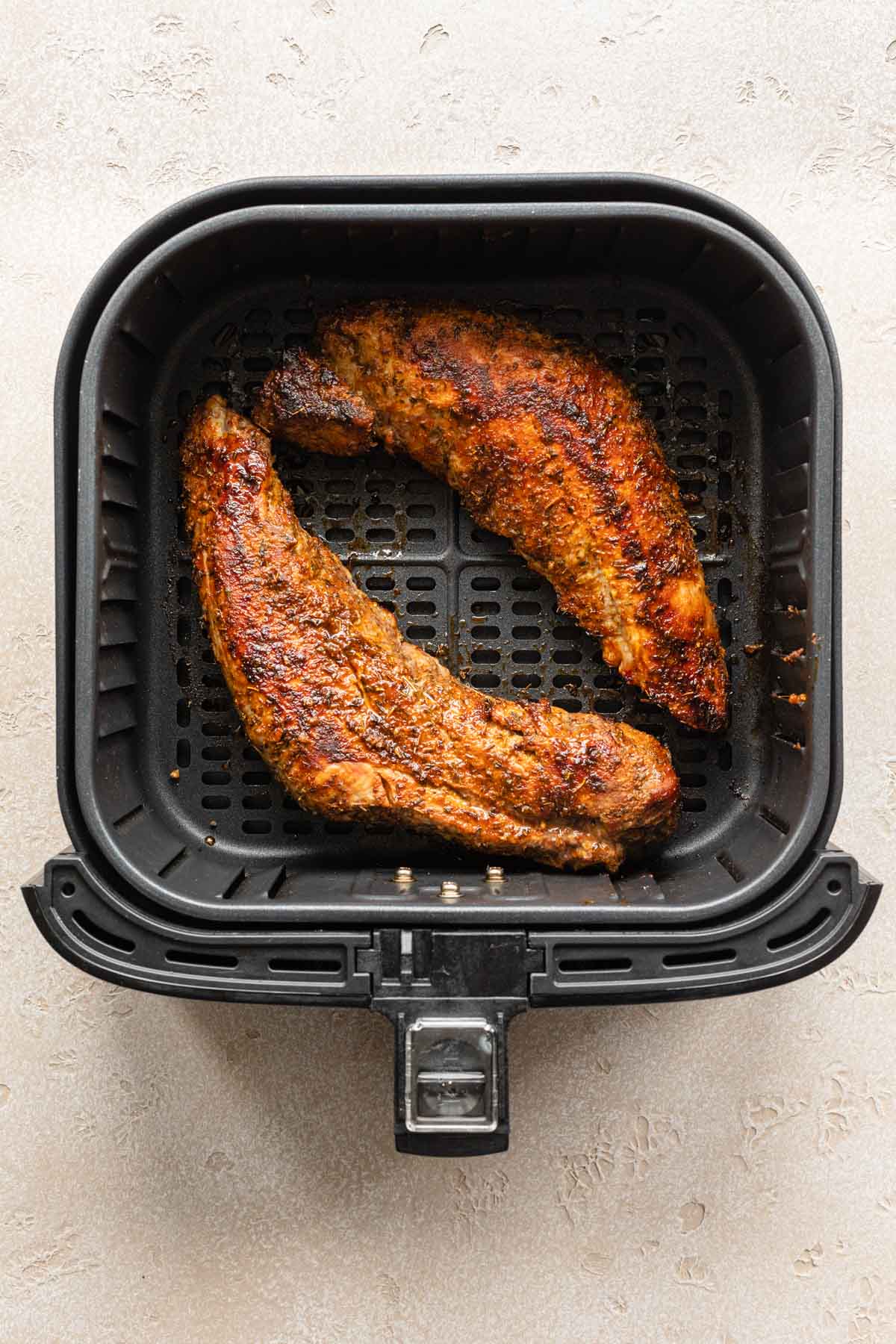
- Place the pork loin seam-side down in the air fryer basket or on the tray with space around it for airflow. If roast is uneven, tie it with kitchen twine to an even thickness for more uniform cooking.
- Cook using the time guide below
- Start with the lower end of the estimated time range and plan to insert a thermometer early. Do not rely solely on clock time.
- Optional finish for browning
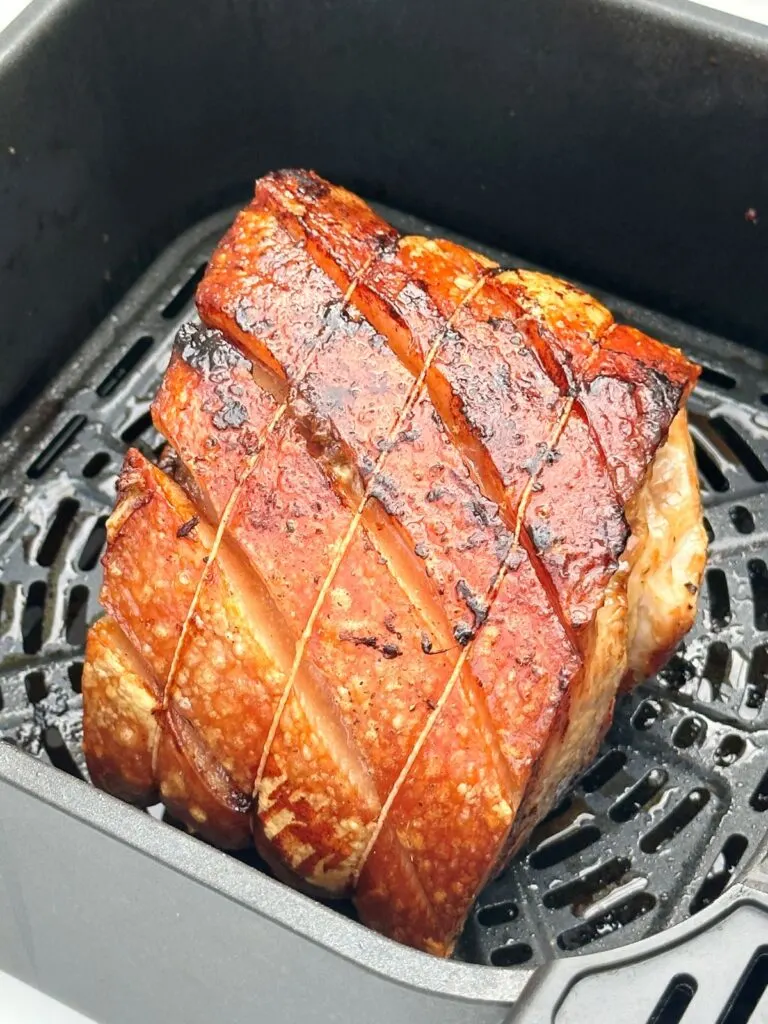
- If you want a crisper crust, increase to 400°F for the final 3–5 minutes, watching carefully to avoid burning.
- Check temperature and rest
- Insert an instant‑read thermometer into the thickest part. Remove the roast when it reaches 145°F. Let it rest 3 minutes before slicing; rest juices redistribute and the temperature may rise slightly.
- Slice and serve
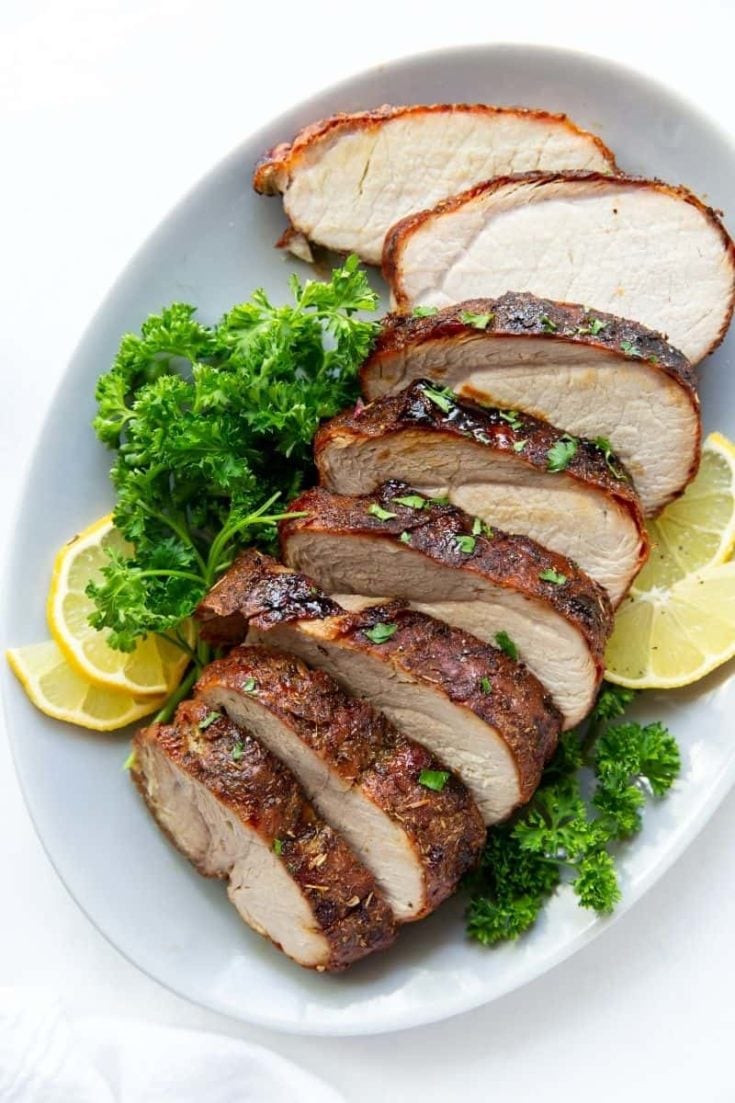
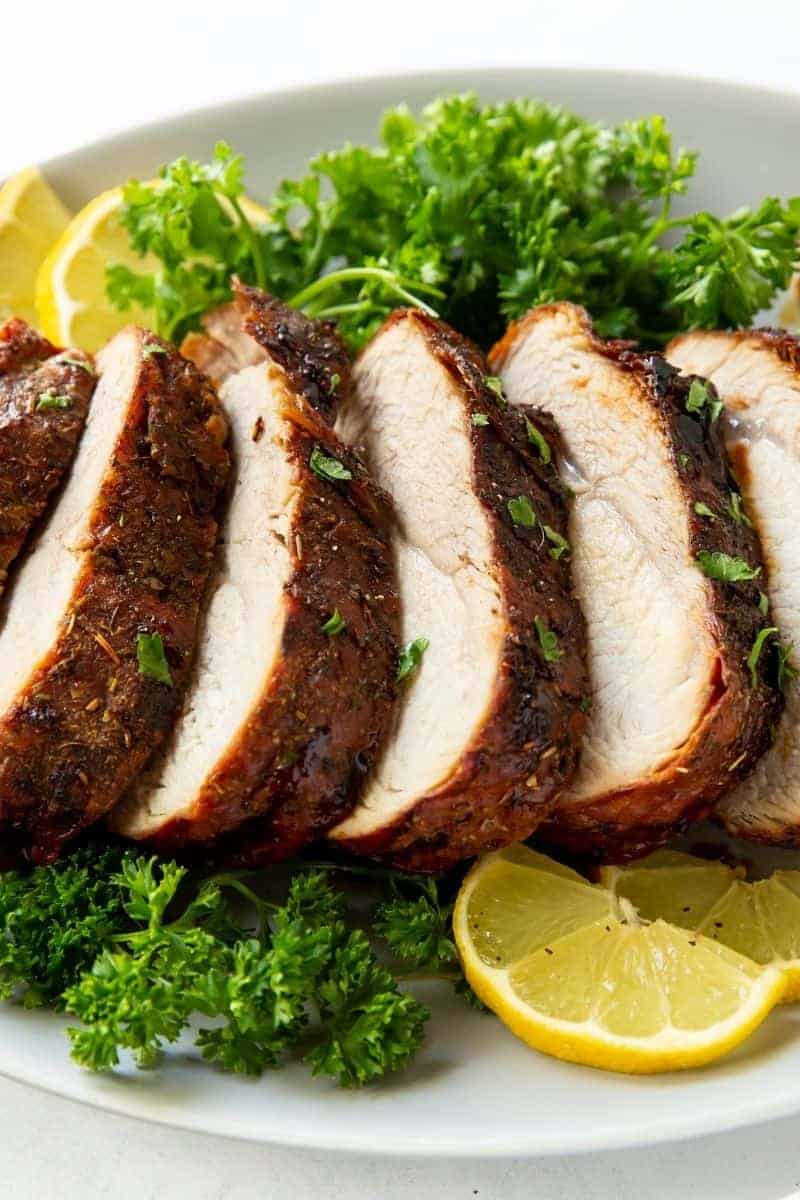
- Slice against the grain for tender portions. Serve immediately.
Signs of success
- Internal temperature 145°F at the thickest point.
- Lightly browned, caramelized exterior.
- Juicy, not dry — slice shows slightly pink center (safe at 145°F with rest).
If it’s not yet at temperature, return to the air fryer and check every 3–5 minutes.
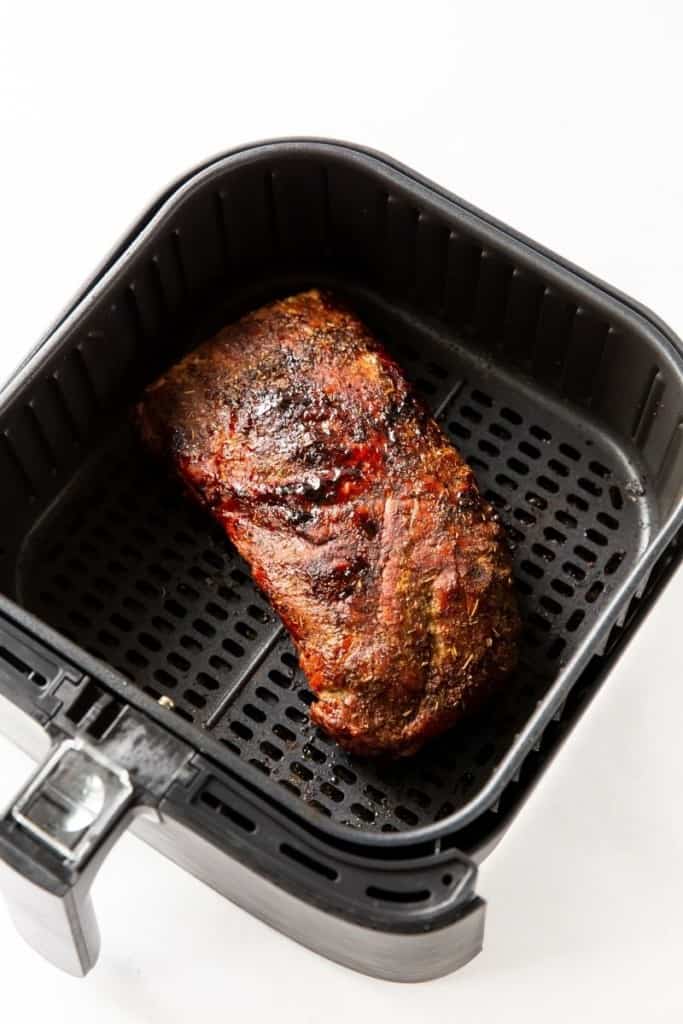
Source: Bing
Timing and temperature guide (decision table and examples)
Use this table only as a starting point. Air fryer models and roast shape change times; always confirm with a thermometer.
| Roast type | Weight (approx.) | Temp | Estimated cook time | Notes |
|---|---|---|---|---|
| Boneless pork loin (compact, even) | 1.0 lb | 375°F | 18–22 minutes | Check at 18 min |
| Boneless pork loin | 1.5 lb | 375°F | 25–30 minutes | Probe at 20–22 min |
| Boneless pork loin | 2.0 lb | 375°F | 30–35 minutes | Rotate or reposition if uneven browning |
| Boneless pork loin | 3.0 lb | 375°F | 40–50 minutes | Consider slicing into two pieces if basket crowded |
| Bone-in pork loin | Any | 375°F | +5–10 minutes above boneless times | Bone adds thermal mass—check temp early |
Examples (practical application)
- Example A: 2.5 lb boneless loin — estimate 35–42 minutes; check at 30 minutes.
- Example B: 1.2 lb compact loin — estimate 20–24 minutes; start checking at 18 minutes.
Why time ranges are wide
- Air fryer wattage, basket shape, roast thickness, whether you preheated, and whether you brined or not all affect cook time. Thermometer reading is definitive.

Source: Bing
Variables, trade-offs, and adjustments
- Roast shape: Longer, thinner loins cook faster than dense, round roasts of the same weight. Tie or reshape to even thickness.
- Brine: Improves juiciness but adds time and salt management (rinse and pat dry afterward).
- Surface browning vs. internal moisture: Higher temp or finishing at 400°F improves crust but risks drier meat if left too long—use short, hot finish only.
- Bone vs. boneless: Bone-in is more forgiving on moisture but takes longer.
- Crowd factor: Avoid packing the basket; overcrowding reduces airflow and increases cook time and unevenness.
- Thermometer placement: Always measure in the thickest part, avoiding bone and touching the basket.
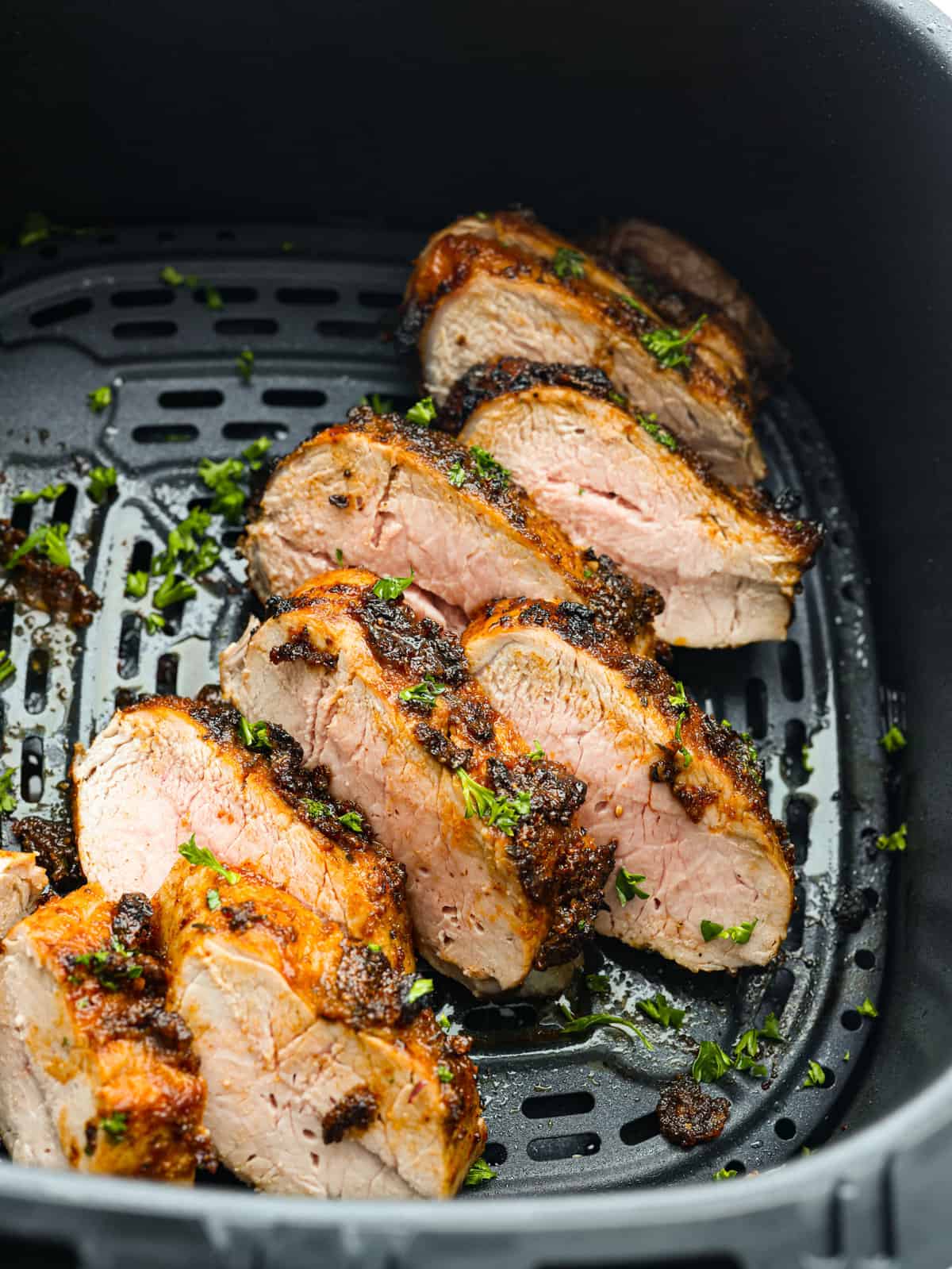
Source: Bing
Common mistakes, troubleshooting, and what to do when it fails
Symptom: Pork loin is undercooked (center below 145°F)
- Causes: Air fryer temp lower than dial shows, roast larger/denser than estimated, probe not in thickest part.
- Fix: Return to air fryer at 375°F and check every 3–5 minutes. Use thermometer to reach 145°F.
Symptom: Pork loin is dry
- Causes: Overcooked (internal temp above 150–155°F), no brine or insufficient resting, roast too lean and thin.
- Fix: Slice thinner, serve with a pan sauce (apple cider reduction, pan gravy, or a light jus), or shred and mix with moist sauce. For future cooks: brine or reduce cook time and rely on thermometer.
Symptom: Uneven browning or burned spots
- Causes: Uneven roast shape, seasoning sugars burned at high finish temp, part of roast too close to heating element.
- Fix: Tent the browned areas with foil (if your air fryer allows), lower finish temp next time, rotate halfway through cook.
Symptom: Soggy exterior, no browning
- Causes: Excess surface moisture (from wet brine not patted dry), overcrowded basket.
- Fix: Pat roast dry before seasoning; cook without crowding; finish at higher temp for 2–4 minutes.
Safety troubleshooting
- If unsure whether the thermometer is accurate, test it in boiling water (should read ~212°F at sea level) or calibrate per manufacturer instructions.
Source: Bing
Food safety: USDA guidance and safe-practices checklist
- Safe final internal temperature: 145°F for whole pork cuts, with a 3-minute rest (USDA).
- Thawing: Thaw frozen pork in the refrigerator, not on the countertop.
- Cross-contamination: Keep raw pork and juices away from ready-to-eat foods and clean surfaces thoroughly.
- Leftovers: Refrigerate cooked pork within 2 hours (1 hour if ambient temperature >90°F). Use within 3–4 days or freeze within that window.
- Probe use: If using a probe while cooking, ensure the cable and plug are rated for your air fryer and placed safely to avoid contact with heating elements.
Source: Bing
Serving, storage, and reheating
Serving
- Slice across the grain into 1/4–1/2 inch slices. Offer sauces on the side: mustard-based, apple chutney, or pan juices reduced with a splash of vinegar.
Storage
- Refrigerate in airtight container within 2 hours. Use within 3–4 days.
- Freeze sliced portions in freezer bags; use within 2–3 months for best quality.
Reheating
- Reheat gently in a 325°F oven or 300°F air fryer for a few minutes until warmed through to avoid overcooking. Add a splash of stock or cover loosely with foil to retain moisture.
Source: Bing
FAQs (five useful, distinct questions)
- Do I need to brine pork loin before air frying?
- Brining is optional. It helps retain moisture, especially for lean roasts, but adds bench time. If you brine, rinse and pat the roast dry before seasoning to promote browning.
- What if my air fryer is too small for a whole pork loin?
- Either cut the loin into two pieces to fit with airflow around each piece, or roast in the oven instead. Crowding increases cook time and reduces browning.
- Can I cook a stuffed pork loin in the air fryer?
- You can if it fits and the stuffing is safe (stuffing must reach 165°F). Because stuffing adds complexity and thermal mass, use a thermometer in the center of the stuffing and expect longer cook times.
- Should I flip or rotate the roast during cooking?
- Rotating halfway helps with even browning in many basket-style air fryers. You don’t always need to flip, but check positioning if browning is uneven.
- How do I get a crust without drying the meat?
- Dry the surface thoroughly, use a light coat of oil, and finish with a short blast at 400°F for 2–4 minutes only after the roast reaches close to 140–142°F. Remove at 145°F after resting.
Key takeaways and next action
- Primary action: Preheat air fryer to 375°F, season or brine the pork loin, cook until internal temperature is 145°F, rest 3 minutes.
- Always use an instant‑read thermometer — time estimates vary by air fryer model and roast geometry.
- If you want juiciest results, consider a brief brine, avoid overcooking, and finish at a higher temp only briefly for crust.
Next action: Check your air fryer’s capacity and thermometer availability. If you don’t have an instant‑read thermometer, buy a digital probe thermometer (inexpensive and widely available at U.S. retailers) before starting.