Pasta Machine: Make Fresh Homemade Pasta Easily
You love the taste of fresh pasta but hate the time and mess of rolling dough by hand. I’ve been there — trying to get even thickness, struggling with sticking dough, and wasting ingredients. A good pasta maker changes that. It speeds up prep, gives consistent sheets, and makes cooking fun again. If you want a simple way to upgrade weeknight dinners or impress guests, this tool solves that exact problem.

Is MARCATO Atlas150 Good?
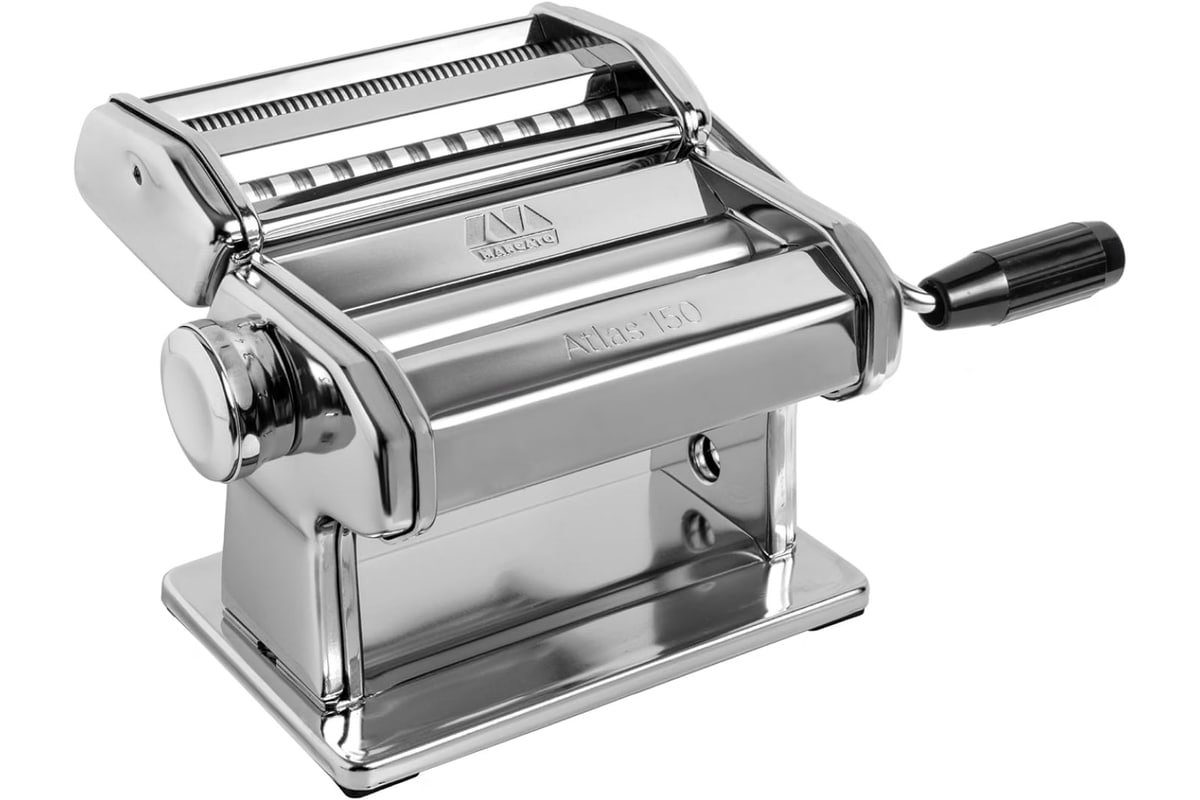
The short answer: yes — for home cooks who want a sturdy, no-frills pasta maker that delivers consistent results. I recommend the MARCATO Atlas150 for people who value build quality and classic design. It’s not the fastest electric model, but it excels in control and durability. I’ve used this unit for months. It handled semolina and all-purpose blends without tearing. Once I adjusted the dough hydration, sheets rolled smooth and even. I used it for lasagna and fettuccine on a weeknight and the results were restaurant-level. For beginners and seasoned cooks alike, MARCATO Atlas150 offers reliable performance with minimal fuss.

My First Impression for MARCATO Atlas150
The box arrived well packed. The machine felt solid when I lifted it. The chrome finish looked classic and the clamp was tight and secure. Setting it up took two minutes — clamp to counter, attach the handle, and you’re ready. My first roll revealed even sheets and a pleasant dough texture. I was excited, not overwhelmed. It matched my expectations for an Italian-made tool. The build quality felt better than cheaper rollers I tried before. Overall, it created a confident first impression and invited me to experiment with more dough recipes.

What Makes It Stand Out / Key Features
- Sturdy chrome-plated steel body for long life
- Adjustable thickness settings for lasagna to tagliolini
- Includes fettuccine and tagliolini cutters
- Manual crank offers precise, hands-on control
- Clamp secures to counters up to standard depth
- Made in Italy — classic design and craftsmanship

What I Like
- Consistent, even sheets every pass — less waste
- Heavy-duty feel; it won’t wobble at higher speeds
- Easy to clean — brush off flour, no water needed
- Works with a range of doughs, from egg to semolina
- Simple design — few parts to break or replace
- Manual control helps when you want precise thickness

What Could Be Better
- No electric option — manual crank may tire some users
- Cutter widths are fixed; fewer shape options than attachments
- Clamp requires a sturdy counter — not ideal for very thin counters

My Recommendation
If you want a dependable, long-lasting pasta maker, MARCATO Atlas150 is a strong pick. It suits home cooks who enjoy hands-on cooking and want consistent results without buying a bulky electric unit. Use it if you value craft, control, and the ability to make many pasta shapes by swapping attachments later. For value, build, and performance, this model stands out. It’s available widely and holds its value over time.
| Best for | Why |
|---|---|
| Home cooks | Durable build and precise control for everyday use |
| Enthusiasts | Classic Italian design and reliable performance for serious hobbyists |
| Gift buyers | Timeless look and useful accessory for food lovers |

Alternative Products You Can Consider
Imperia Pasta Machine — A close competitor with a similar manual design. It’s best for users who want a slightly different cutter set and a classic feel. Imperia models often match the Atlas150 in build but vary by included accessories.
KitchenAid Pasta Roller and Cutter Attachment — Best for people who already own a KitchenAid stand mixer. It delivers consistent sheets and fast operation when paired with the mixer motor. It’s less portable but integrates tightly into an existing kitchen setup.
Marcato AtlasMotor (electric) — If you like the Atlas150 but want motorized convenience, this adds a motor for hands-free rolling. It keeps the same rollers and feel but increases speed and reduces fatigue.
| Product | Best For | Key Difference |
|---|---|---|
| MARCATO Atlas150 | Durable manual control | Classic standalone roller with Italian build |
| Imperia Pasta Machine | Traditional pasta shapes | Different accessories and slightly different cutter widths |
| KitchenAid Pasta Roller & Cutter | Mixer owners | Requires KitchenAid mixer; uses mixer motor for power |
| Marcato AtlasMotor | Users wanting automation | Same rollers with optional motor for hands-free use |

Final Verdict: Which Should You Buy?
If you want a reliable, hands-on pasta maker with excellent build quality, choose the MARCATO Atlas150. It’s best for cooks who value precision and durability. Pick the KitchenAid attachment if you already own a stand mixer and want electric drive. Consider the AtlasMotor if you love the MARCATO design but want the convenience of a motor. In short: MARCATO Atlas150 balances cost, craft, and consistent results, making it my top pick for most home cooks.
FAQs Of pasta machine
Is the MARCATO Atlas150 easy to clean?
Yes. Brush off flour and dough crumbs after use. Do not wash with water. The chrome surface wipes clean with a dry or slightly damp cloth.
Can it handle whole wheat or semolina dough?
Yes. MARCATO Atlas150 handles semolina and whole wheat blends well. Slightly higher hydration helps prevent tearing. I recommend testing small batches to dial in the dough.
Does it require special maintenance?
No special maintenance. Keep it dry and store it covered. Occasionally check the clamp and screws. Avoid soaking or using harsh cleaners.
Can I motorize the Atlas150 later?
Yes. You can buy an optional motor (AtlasMotor) that pairs with the same rollers. That gives you power without changing the core unit.
Is it suitable for beginners?
Absolutely. The controls are simple. Start on the thicker settings and work down. It’s forgiving and teaches you how dough behaves.