How To Reheat French Fries In The Air Fryer: Quick Crisp
This article may contain affiliate links; recommendations reflect my real use and opinion.
I used to think reheating french fries was hopeless. I’d microwave soggy piles and tell myself they were “good enough.” Then I bought an air fryer and started testing every trick I could find. Over the course of many leftover nights I learned what actually works, what’s a waste of time, and what ruins fries fast. If you’ve wondered how to reheat french fries in the air fryer so they come out crisp, not limp, you’re in the right place.
Most guides either give one rigid temperature and call it done, or they list a dozen settings that don’t match real kitchens. I’ll walk you through the setup I used, the mistakes I made, and the exact steps that consistently deliver crunchy fries. I’ll also cover what to buy (or not buy), cleaning, frequency, costs, and how to fold reheating fries into your normal kitchen routine. Expect short, practical tips, and honest notes about when the air fryer isn’t the right tool.
What to Know Before You Buy (or Start)
If you already have an air fryer, this will help you use it right for fries. If you don’t, these points will guide a smart first purchase.
TABLE — Key Factors to Consider. 3 columns maximum.
Factor | Why It Matters | What to Look For
Capacity | Air fryers with small baskets force you to stack fries; stacking = soggy fries | Choose 3–5 quart for 1–2 people, 5–6+ quart for family portions
Wattage / Power | Higher wattage heats faster and keeps crisping consistent | 1400–1800W is common and reliable for fast reheating
Basket Type | Nonstick baskets can hold oil and allow crisping; flat trays can crowd fries | Removable, shallow basket with perforations is best
Temperature Control | Precise temps let you avoid burning or drying fries | Look for +/- 10°F accuracy and 10°F increments
Ease of Cleaning | Grease and salt build up after reheating fries | Removable, dishwasher-safe basket or simple nonstick coating
What’s often oversold: fancy presets and dozens of cooking programs. For reheating fries you just need reliable temperature control, a basket that lets hot air flow around the fries, and a capacity that fits a single layer (or close to it). Extra screens or accessories are nice but not essential.
 Getting Set Up (or Getting Started) the Right Way
Rushing in without a proper setup is where most people lose crispness on reheats. A greasy, crowded basket or a cold air fryer will give you uneven results. Take five minutes to prepare the fryer and your fries before you start.
First, make sure the basket is clean and dry. I once tried reheating fries with sticky crumbs and a thin film of oil from a previous cook; the fries got unevenly browned. If you just bought an air fryer, wash the basket and tray, then dry them completely. Gather a small spray bottle of neutral oil, a pair of tongs, and a kitchen timer.
Preheat the air fryer for at least three minutes if your model heats quickly, or five minutes if it’s slower. Preheating matters for reheating fries. When the basket starts hot, the fries hit crisping temp immediately instead of steaming in tepid air. Expect this setup to take about 8–10 minutes the first time; after that it’s just a minute or two.
Step-by-Step: How to reheat french fries in the air fryer
A quick note before the steps: I tested with a mix of frozen fries, restaurant leftovers, thin shoestrings, and thick steak fries. The steps below are the approach that worked best across types.
Step 1 — Sort and pick the fries to reheat
Pull the fries apart and remove any cold items (like burgers or ketchup cups). Smaller, thinner fries crisp faster than thick ones, so separate those if you can. I learned this the hard way when I tossed an entire bag in and ended up with overcooked shoestrings and undercooked wedges. If you have two types, reheat them separately.
Step 2 — Shake off excess cold or ice
If fries are frozen, give the bag a gentle shake to remove loose ice. If they’re restaurant leftovers, pat them lightly with a paper towel to remove excess grease or soggy bits. I skipped this once and had steam trapped between crowded fries; the result was limp interiors and a fake “crispy” surface.
Step 3 — Preheat the air fryer properly
Preheat to 350–375°F (175–190°C) for most fries. For thin fries pick the higher end; for thick ones stay lower. Preheating prevents the fries from lingering in low heat, which turns starch into sogginess. The first time I preheated I thought it was optional; after testing I never skipped it.
Step 4 — Add a tiny bit of oil and arrange in a single layer
Spritz fries lightly with oil—about a teaspoon per 6–8 ounces—and spread in a single layer where possible. A light coating restores the crisp surface without making them greasy. Too much oil equals soggy fries, and too little often leaves restaurant fries flat. Use tongs to spread them so air can circulate.
Step 5 — Reheat in short bursts, shake, and check often
Set the timer for 3–4 minutes, then shake the basket or flip fries. Repeat in 2–3 minute bursts until they’re hot and crisp—usually 6–10 minutes total. I used to set long timers and forget them; that burned shoestring fries. Short bursts help you catch the exact moment of peak crispness.
Step 6 — Finish with a tiny extra heat boost if needed
If the fries are hot but not crisp, blast at 400°F (200°C) for 1–2 minutes. Watch closely; this step goes from perfect to burnt quickly. After a few tries I could predict whether a boost was needed based on how they looked after the first 6 minutes.
Step 7 — Season after reheating, not before
Salt draws moisture. Season right after the fries come out and while they’re still hot so the seasoning sticks. If you pre-seasoned, you’ll often get uneven salt patches or sogginess where salt pulled moisture to the surface.
Step 8 — Serve immediately and store leftovers correctly
Air-fried fries start to lose crispness as they cool. Serve hot. If you must store, cool completely on a wire rack, then refrigerate in a shallow container—don’t stack them. I reheated twice from fridge and they held up well when I followed the steps above again.
 Common Mistakes to Avoid
Even with the right tool, small mistakes kill crispness. Below are the ones I see most and how I stopped making them.
TABLE — Mistakes and Fixes. 3 columns maximum.
Mistake | Why It Happens | How to Fix It
Crowding the basket | Too many fries trap steam and block airflow | Reheat in batches or use a larger fryer
Skipping preheat | Fries start in lukewarm air and steam | Preheat 3–5 minutes before adding fries
Using too much oil | Fries become greasy, not crisp | Use a light spritz—about 1 tsp per 6–8 oz
Seasoning before cooking | Salt draws moisture and causes sogginess | Season immediately after reheating
Setting too high temp for long | Burnt outside, cold inside | Use moderate temp then a short high-heat finish
The single most common mistake—even among experienced cooks—is crowding the basket. It’s tempting to save time by doing all the fries at once. But air fryers need room for air to flow. This mistake persists because everyone wants fast results. The fix is boring but effective: do two batches.
Signs You’re Doing It Right (or Signs of a Good vs Bad Fit)
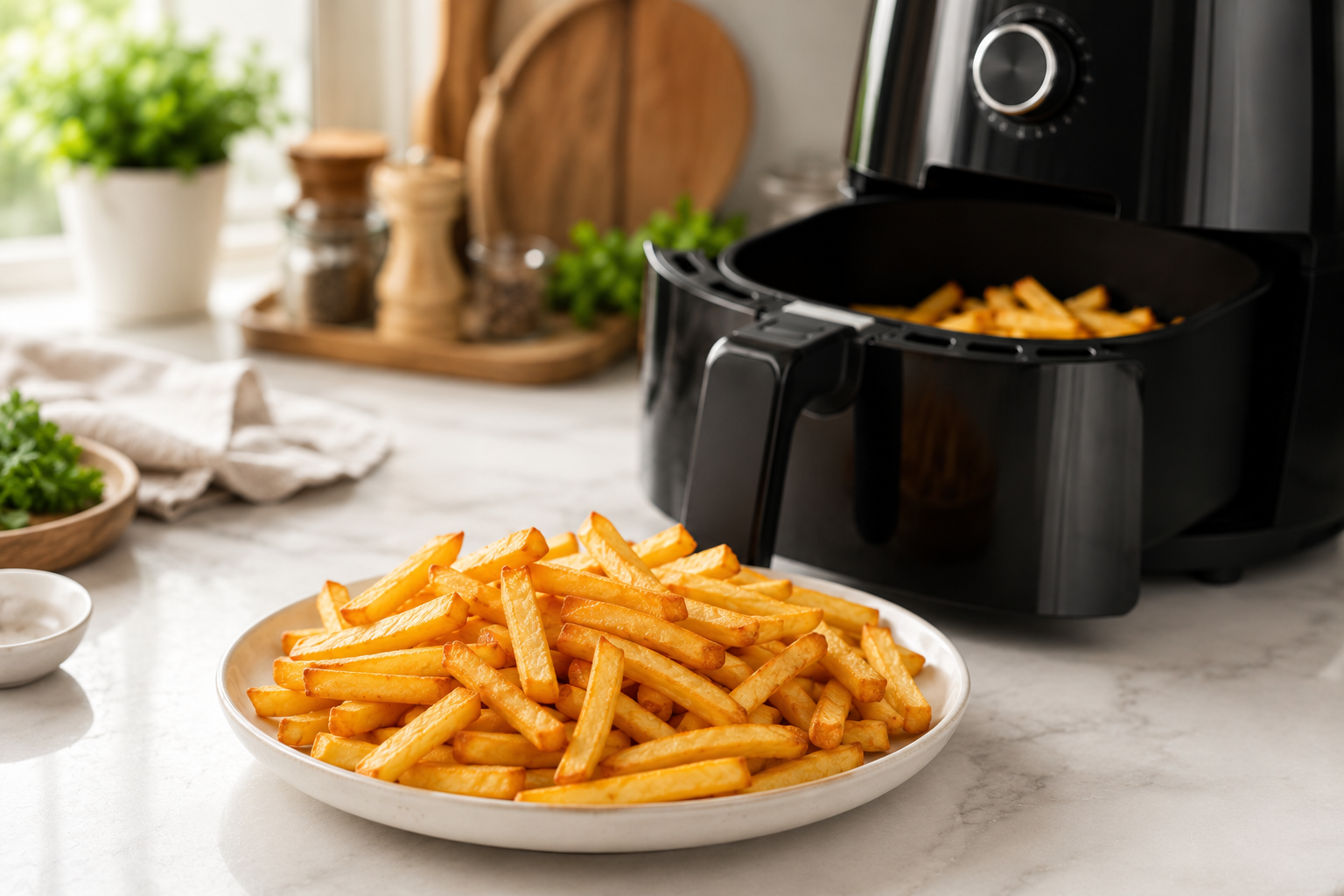
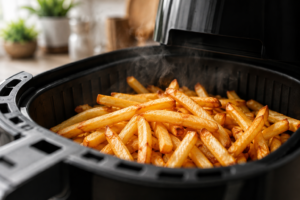
When reheating french fries in the air fryer works well, the fries have a crisp exterior and a warm, fluffy interior. They look evenly browned, not patchy. They sound right too: you should hear a light crunch when you bite in.
Early warning signs a setup is off include uneven browning, floppy centers, or greasy puddles in the basket. These usually mean crowding, too much oil, or starting with a cold basket. If the fries look scorched in spots, your air fryer may have a hot spot, or you may be using too high a temp.
When you see these signs, troubleshoot by doing a small test batch. Reduce the load, lower the temp by 10–20°F, or preheat longer. If the same signs persist across batches, consider whether the air fryer size is wrong for your needs. Ignoring early signs leads to wasted food and frustration, and it’s why I swapped to a larger-capacity unit after months of half-baked reheats.
How Often You’ll Use or Need to Maintain This
Reheating fries is low effort, but the air fryer does need routine cleaning so future reheats stay crisp and safe.
TABLE — Frequency Guide. 3 columns maximum.
Factor | Frequency | Notes
Light use (1–2 times/week) | Clean basket weekly | Wipe crumbs after each use, deep clean weekly
Heavy use (3–7 times/week) | Clean basket after each day of use | Grease builds quickly with frequent fry reheats
Nonstick coating wear | Inspect monthly | Scratches reduce performance; replace basket if flaking
Deep clean (soak & scrub) | Monthly or when residue builds | Removes stuck starch and prevents smoke
In a real kitchen that means wiping the basket after most uses and doing a soak-and-scrub once a week if you reheat fries often. It’s not difficult, and a clean basket makes a real difference in crispness.
Options Worth Considering: reheat french fries in the air fryer
If you’re thinking about buying an air fryer mainly for reheating fries, consider these three tiers. Each has trade-offs that matter for fries more than for other foods.
Budget: Small 2–3 quart basket • Good for singles or occasional use. Look for solid airflow and a nonstick basket. Avoid tiny models if you reheat family-sized leftovers; you’ll be doing lots of batches. [Product Link]
Mid-range: 4–6 quart basket • Best everyday balance. These fit a full plate in most cases and heat quickly. Look for higher wattage, a shallow perforated basket, and dishwasher-safe parts. This is the sweet spot I settled on.
Premium: 6+ quart or multi-basket units • Great for big families and batch reheats. They cost more and take counter space, but one batch can feed everyone. Buy only if you regularly reheat large volumes.
Does paying more help? For reheating fries, spending a bit for size and reliable heat control is worth it. Fancy extras rarely help crispness.
When to Return It, Replace It, or Call It Quits
Not every problem is solved by tweaking. Return or replace when safety or performance is clearly broken. If the basket’s nonstick coating flakes, replace it. If the heating element smokes even after a deep clean, that’s a defect. If the fryer repeatedly overheats and burns food at recommended settings, ask for a return.
When contacting support, describe the precise problem: model, wattage if listed, what you cooked, temps used, and photos of damage. Be specific about when issues started and what cleaning you already did. Clear descriptions speed up replacements or refunds.
Building It Into Your Kitchen Routine
Make reheating fries part of a simple after-dinner rhythm. I keep a small spray bottle of oil and a tongs in a drawer next to the fryer. After plating leftovers, I preheat the fryer while I clear and wipe the table. This way the fryer is ready when the fries are.
A realistic weekly routine: quick wipe after each use, a deep clean once a week, and a small nightly preheat if you expect leftovers. If you miss a cleaning, don’t panic—soak the basket and it comes out fine. Missing one deep clean won’t ruin your fryer, but letting grease build for months will.
Real Kitchen Experience — What It’s Actually Like
In daily use, reheating french fries in the air fryer is surprisingly fast. For a typical plate of leftover restaurant fries I get 6–8 minutes total and reliably crisp outsides. The first few weeks were frustrating; I burned thin fries and undercooked wedges on different nights. The turning point was learning to sort fries by thickness and do short reheats with a final blast.
Small annoyances: the basket can be hard to shake without spilling, and some fry shapes catch in the mesh. A quick tip I didn’t expect to matter: using a thin metal spatula to nudge fries into a single layer before the final minute made a noticeable improvement. After about a dozen full reheats you’ll find a rhythm and know roughly how long each fry type needs.
Long-term, reheating fries this way is low-maintenance. I still use a pan when I need very large batches or want to re-crisp with butter for a richer flavor, but for most nights the air fryer wins on speed and clean-up.
 Cost Breakdown — What This Actually Runs You
You don’t need to break the bank to get good results, but there are ongoing costs to consider.
TABLE — Cost Estimate. 3 columns maximum.
Item | One-Time or Ongoing | Estimated Cost Range
Air fryer (budget) | One-time | $50–$80
Air fryer (mid-range) | One-time | $90–$180
Electricity per use | Ongoing | $0.05–$0.20 per reheating session
Oil & cleaning supplies | Ongoing | $3–$8/month
Replacement basket/pan | One-time | $15–$40
If you only reheat fries occasionally, a budget unit is fine. If you reheat multiple times a week, mid-range size pays off in fewer batches. Electricity cost per session is tiny; the real costs are time and counter space.
Quick Reference Summary
A short scan for the main points when you need a refresher.
TABLE — Quick Reference. 3 columns maximum.
Topic | Key Point | Watch Out For
Before You Buy | Size matters more than extras | Tiny baskets mean many batches
First Use | Clean and preheat the basket | Don’t skip preheat
Frequency | Wipe after use; deep clean weekly if heavy use | Letting grease build causes smoke
Best Options | Mid-range 4–6 qt for most homes | Avoid tiny or gimmicky models
Warning Signs | Uneven browning, soggy centers | Usually crowding or poor airflow
When to Replace | Flaking coating or persistent smoke | Don’t ignore safety issues
Final Tips — reheat french fries in the air fryer
The single most important thing to get right is airflow. A hot basket with space for air to move is what turns limp fries into crisp fries. That means preheat, don’t crowd, and do short reheating bursts with a toss in between.
What separates people who love reheating fries in the air fryer from those who give up is patience and a small routine: sort the fries, preheat, light oil mist, short cycles, and season after cooking. Expect a handful of trial runs to dial in timing for your specific fryer and fry type. After that, you’ll have a fast, repeatable way to rescue leftovers that tastes a lot closer to fresh than microwaved fries ever will.